

For most of human history, nobody had an opinion about butter. You ate it because it tasted good and it made everything better. Then margarine showed up. And the most consequential food marketing battle in American history quietly began.
Dairy Fights Dirty (1870s–1940s)
The product: Butter. The villain: Margarine. The strategy: Use policy as a weapon.
In the 1950s, researcher Ancel Keys published findings linking dietary fat to heart disease. The American Heart Association adopted his framework in 1961.
Margarine was invented in 1869 as a cheap butter substitute for soldiers and the poor. The dairy industry’s response wasn’t to compete on quality. It was to make margarine feel wrong:
- Congress was lobbied into taxing margarine at the federal level
- Several states required margarine to be dyed pink or gray so shoppers couldn’t mistake it for butter
- In some states, selling colored margarine was illegal
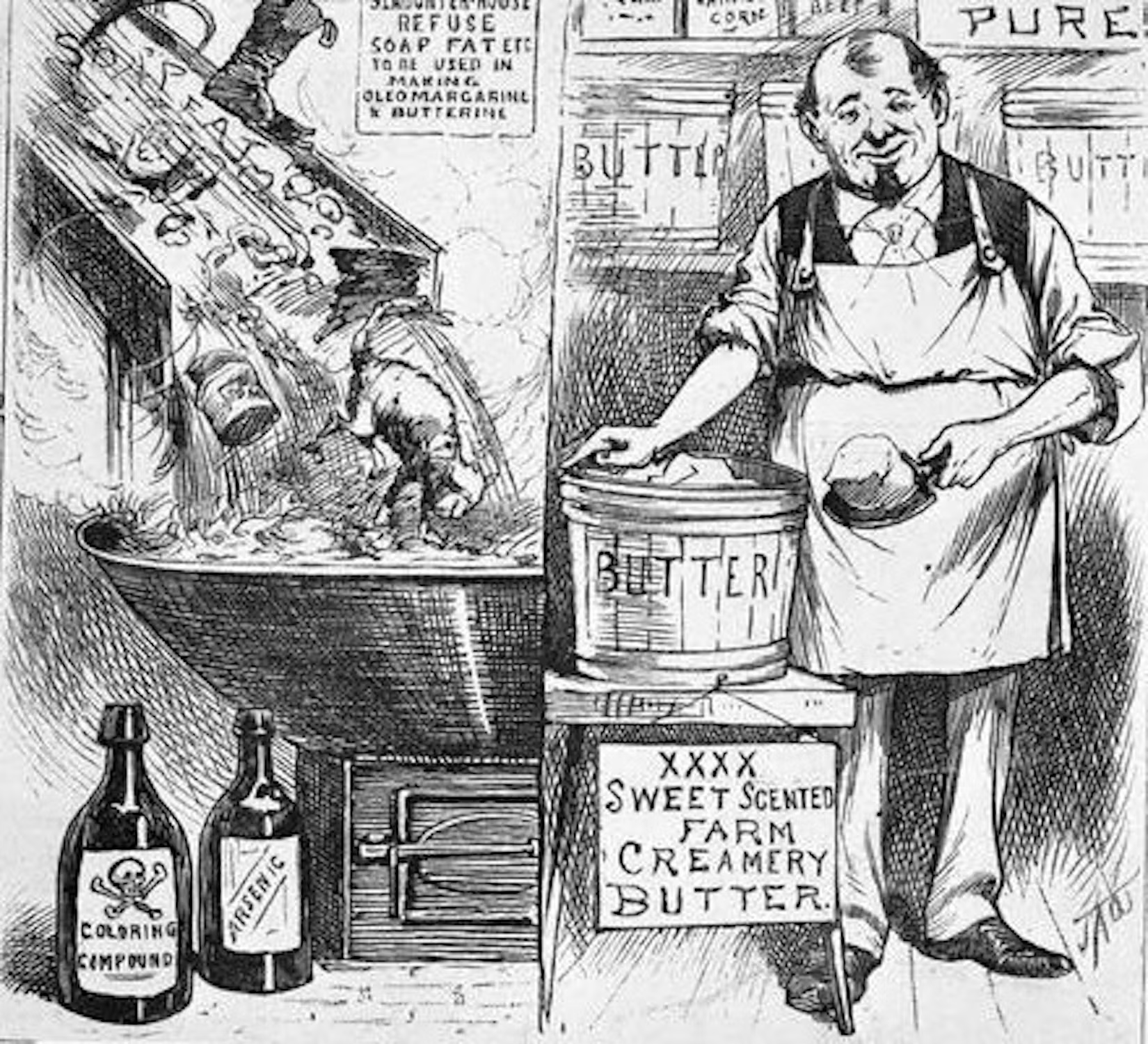
Source: inverse.com
It worked for decades. Then World War II forced butter rationing, millions of households switched out of necessity, and the habit stuck. The federal margarine tax was repealed in 1950. By 1957, margarine outsold butter for the first time in U.S. history – on access and economics alone. The health story hadn’t started yet.
Washington Takes Over (1977–late 1990s)
The product: Low-fat everything. The villain: All dietary fat. The strategy: Let the government do the advertising.
In the 1950s, researcher Ancel Keys published findings linking dietary fat to heart disease. The American Heart Association adopted his framework in 1961.

Source: Time Magazine
For the margarine industry, this was a dream outcome… but here’s what the headlines left out:
- Keys had data from 22 countries. He featured 7 that supported his conclusion.
- Countries like France, with high fat intake and low heart disease rates, didn’t make the cut.
- The sugar industry quietly paid Harvard researchers to shift blame onto fat, not sugar. (This didn’t surface until 2016.)
This is the era that invented the health halo. A health claim is most powerful when it doesn’t look like a health claim at all. Butter was cast as dangerous not because consumers experienced it harming them, but because the institutions they trusted said so.
The Trans Fat Bombshell (mid-1990s–2006)
The product: Margarine. The villain: Hydrogenated oils (what margarine was made of). The industry strategy: Quietly reformulate and hope nobody notices.
In 1994, Harvard’s Walter Willett found that trans fats were worse for cardiovascular health than the saturated fat in butter. The very thing margarine was sold to prevent, it was contributing to. The FDA mandated trans fat labeling by 2006. Every package became a public confession. Brands reformulated without admitting they’d been wrong. “Spread” quietly replaced “margarine.” New claims replaced old ones. Consumer trust didn’t follow, and the category never recovered.
The deeper damage: trans fats cracked the broader story that processed food was progress – and opened the door for butter’s comeback.
The Takeaway: Health claims built on external authority are the most fragile kind. When your entire brand promise is “science says we’re good for you,” you’re only as safe as the current science.
Butter Comes Back (2010–2018)
The product: Butter. The villain: Processed food. The strategy: Do nothing. Let the culture do the work.
In 2014, Time Magazine put butter on its cover: “Eat Butter. Scientists labeled fat the enemy. Why they were wrong.” Nobody paid for that headline. It did more for butter than any campaign could have.
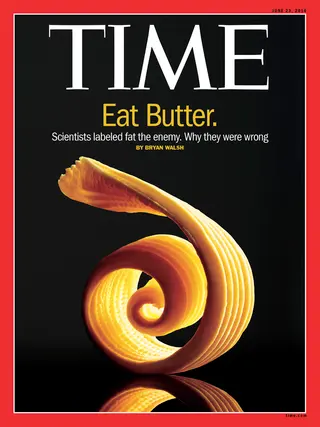
Source: Time Magazine
The conditions had been building for years:
- Paleo and keto reframed animal fat as natural. If your great-grandmother ate it, it was fine.
- Bulletproof Coffee made butter feel almost aspirational.
- Food bloggers and chefs had never stopped cooking with it. As those voices grew louder online, so did butter’s credibility.
- Kerrygold went from niche import to top-selling U.S. butter brand on grass-fed credibility alone.
By 2016, butter consumption hit a 40-year high. The “low fat” label, once a purchase driver, started feeling like a red flag.
Where We Are Now (2018–Today)
The strategy: Whoever tells the clearest story wins.
The conversation hasn’t settled – it’s just shifted. Plant-based butter is growing on sustainability, not health claims. Seed oils are the new villain online. Ultra-processing is the new fear. Consumers have lived through enough reversals to know “clinically proven” just means “currently endorsed.”
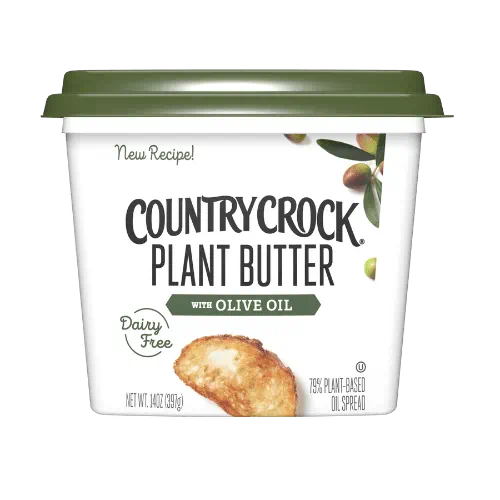
Source: Country Crock
So, What Does 150 Years of Butter Tell Us?
Every phase of this story was driven by perception, not product. Here’s what that means for food brands today:
- Health halos expire. Build equity on things that don’t: taste, origin, simplicity, values.
- Institutional endorsement has lost its grip. Peer voices and community trust now outweigh official seals.
- Transparency is the new health claim. “What’s actually in this?” beats “clinically proven” every time.
- Your category can be redefined around you. Margarine didn’t fail because the product got worse. The frame collapsed.
The food brands that win in that environment won’t be the ones with the best health claim. They’ll be the ones with the clearest story, the most consistent values, and the credibility to back it up when the wind changes again.
At IN Food Marketing & Design, we help food brands build the kind of equity that doesn’t expire when the headlines change. Ready to talk strategy? Contact us.

